Pectus exercises
How to Gain Muscle with Pectus Excavatum
A practical guide to building muscle with pectus excavatum — programming, nutrition and recovery that supports a stronger, fuller chest.
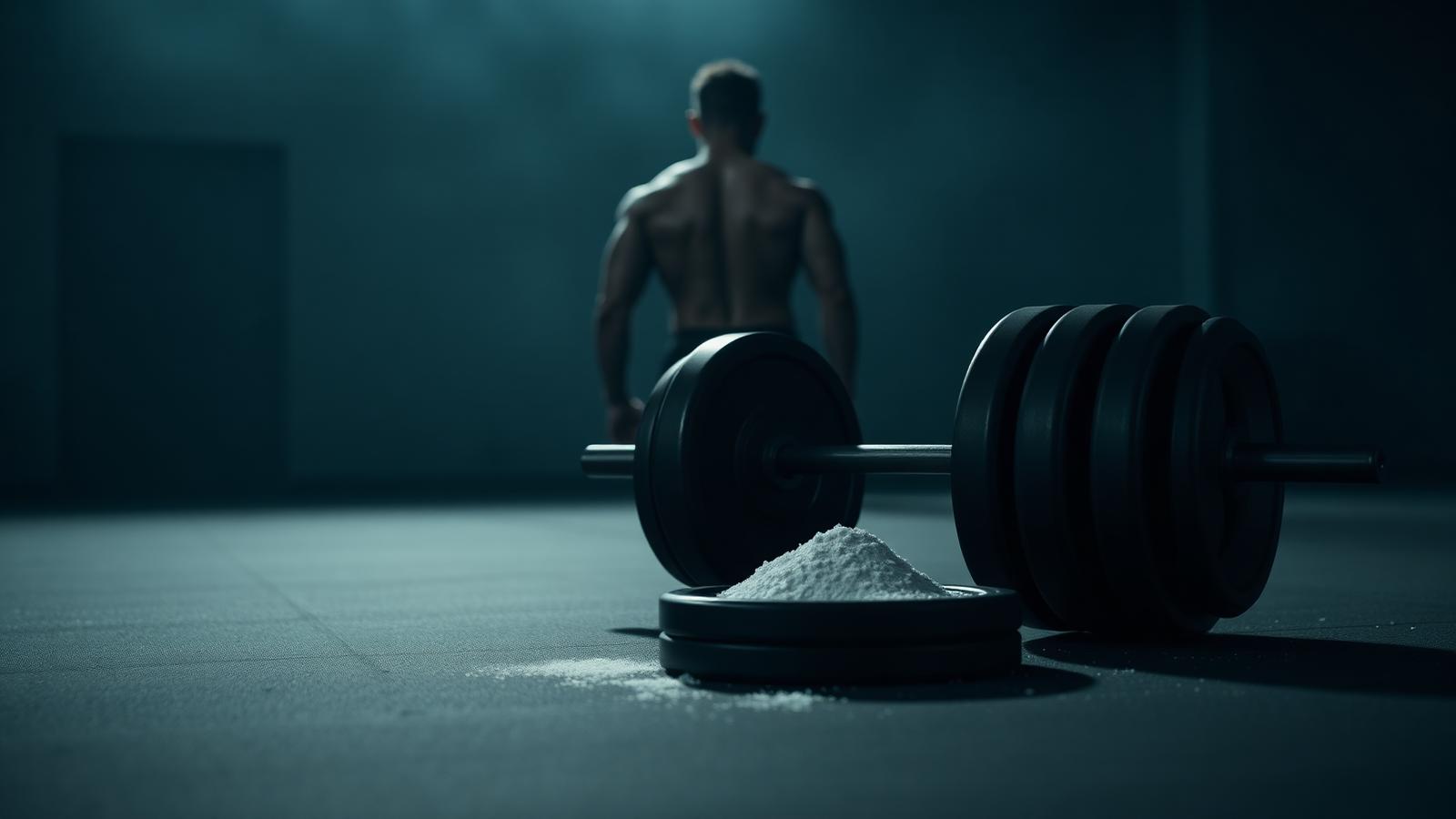
Building muscle with pectus excavatum follows the same rules as anyone else — progressive overload, enough protein, enough sleep — with a few small adjustments that respect the chest and reward posture.
Train for shape, not just strength
The visual goal for most people is a fuller upper chest, broader shoulders and a strong upper back. That shape comes from rep ranges between 6 and 15, controlled tempo and steady weekly progression.
- Pick 2 upper-body sessions per week with at least one incline press.
- Match every pressing set with a pulling set to keep the shoulders balanced.
- Train shoulders twice a week — lateral raises do more for the V-shape than people expect.
Eat enough to grow
- Calories — a small surplus of around 200–400 kcal per day.
- Protein — 1.6 to 2.2 g per kg of bodyweight, spread across the day.
- Carbs — keep them generous around training to fuel hard sets.
- Hydration — water before, during and after sessions.
Most people who think they cannot gain muscle simply are not eating enough or not training hard enough. Track for two weeks and the answer usually becomes obvious.
Recover like it matters
Sleep is where muscle is actually built. Seven to nine hours, consistent bedtime, dim light in the evening. Add two short walks a day to support recovery and digestion.
What to expect
Training may improve the appearance of pectus excavatum through muscle and posture, not by changing the chest wall itself. Give it three to six months of consistent work before you judge the result.
Medical disclaimer. PectusFit content is educational and does not replace medical advice. Training may support posture and muscle development, but it does not fix, cure or reverse pectus excavatum. If you experience cardiac, breathing or structural symptoms, consult a qualified healthcare professional.
Train smarter with PectusFit
Personalised plans, posture work, breathing and confidence tools — built for pectus.